
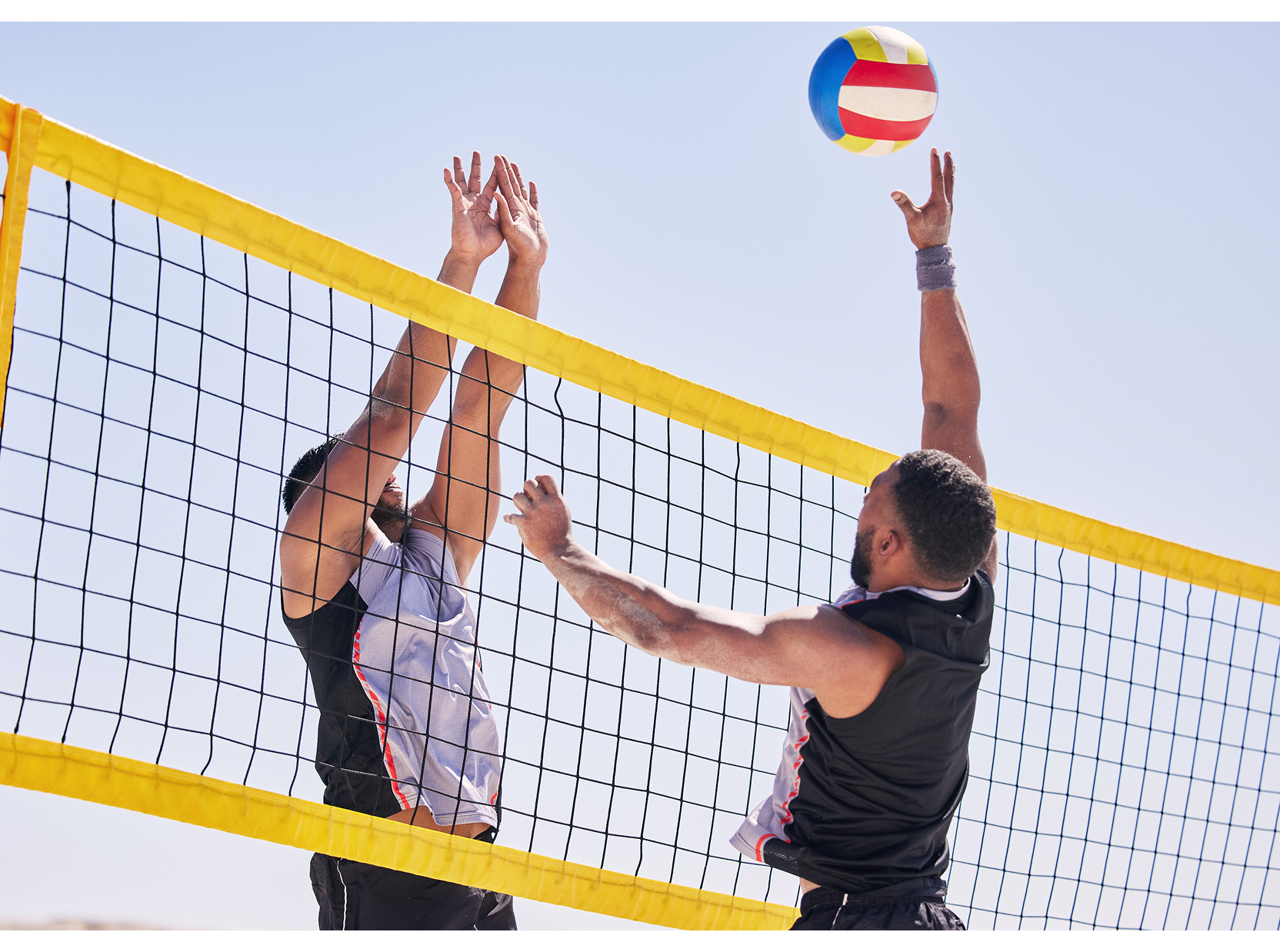
“I need a sponsor” describes the athlete's problem. It does not yet describe the brand's opportunity. Travel, equipment and competition costs explain why an athlete needs money; sponsorship begins when we can explain what the company receives in return.
A logo is an asset, not a strategy
Logo placement can be valuable, but modern sponsorship should be treated as a bundle of rights and activation opportunities. The brand still needs a plan for what to do with them.
What can a brand buy from an athlete?
| Asset | Possible use |
|---|---|
| Image rights | Brand communications and campaigns |
| Content | Social, website, advertising |
| Creator distribution | Posts, Stories, co-posts |
| Exposure | Kit, equipment, events |
| Appearances | Launches, customer events |
| Story | Season-long content narratives |
| Exclusivity | Category protection |
| Paid-media rights | Amplifying athlete content |
Note: this is The Champions' practical map of sponsorship assets. Actual rights depend on the agreement.
Content can matter more than kit placement
For many brands, the athlete's training, preparation, travel and competition create more usable marketing value than passive logo exposure. This is particularly relevant for smaller athletes whose content can be amplified beyond their organic audience.
Social media changed individual athlete sponsorship
Athletes now own distribution channels as well as sporting stories. That means brands can evaluate creative quality, audience fit and real content performance alongside sporting results.
Rights and activation are different budgets
Signing the athlete gives the brand rights; activating those rights may require production, media, PR, events and creative. A partnership that ends with “the athlete will post our logo” has bought an asset but not necessarily built a marketing programme.
Paid amplification extends sponsorship
A brand can co-publish athlete content and add media spend. This allows a smaller athlete with strong fit to compete with a larger creator on distribution—provided paid usage is agreed in the contract.
Exclusivity is a product too
Category exclusivity removes future commercial options from the athlete. Define the category, territory and duration rather than asking for vague protection against “competitors”.
Sponsorship or ambassadorship?
The boundary is flexible. Sponsorship often includes rights and sporting association; ambassadorship usually emphasises recurring communication and personal association. Strong partnerships can combine both. See brand ambassador vs influencer.
Measure the objective, not the logo
Awareness, content, community, PR, hospitality and sales require different measures. IAB UK's current ROI guidance warns against treating reach alone as return and recommends combining relevant layers such as exposure, engagement, attributed sales or brand lift.
Source:IAB UK – Influencer marketing ROI.
For the wider picture, read sports marketing for brands.