A brand says: “we need influencers.” A few questions later, it turns out that it does not really need influencers. It needs twenty strong vertical videos for paid ads, product pages and social media. In another meeting the opposite happens: the company asks for “UGC”, but what it actually wants is access to a creator's existing audience.
A content creator and an influencer can be the same person, but brands are buying two different things from them. Understanding that distinction makes the brief, selection process and campaign model much clearer.
In this model, the main output is the asset: Reels, TikToks, photography, Stories, testimonials, tutorials or short product videos. The creator may have a large audience, a small one, or may never publish the asset on their own account. What matters is what they can produce.
Selection should therefore focus on portfolio quality, storytelling, filming skills, natural on-camera presence and the ability to work with a brief.
An influencer also delivers distribution
In influencer marketing, the content matters, but part of the value comes from publishing it through the creator's own channel. The brand wants access to a community that already follows and has a relationship with that person.
That introduces additional criteria: reach, audience profile, engagement, previous commercial partnerships and brand fit.
Where does the athlete fit?
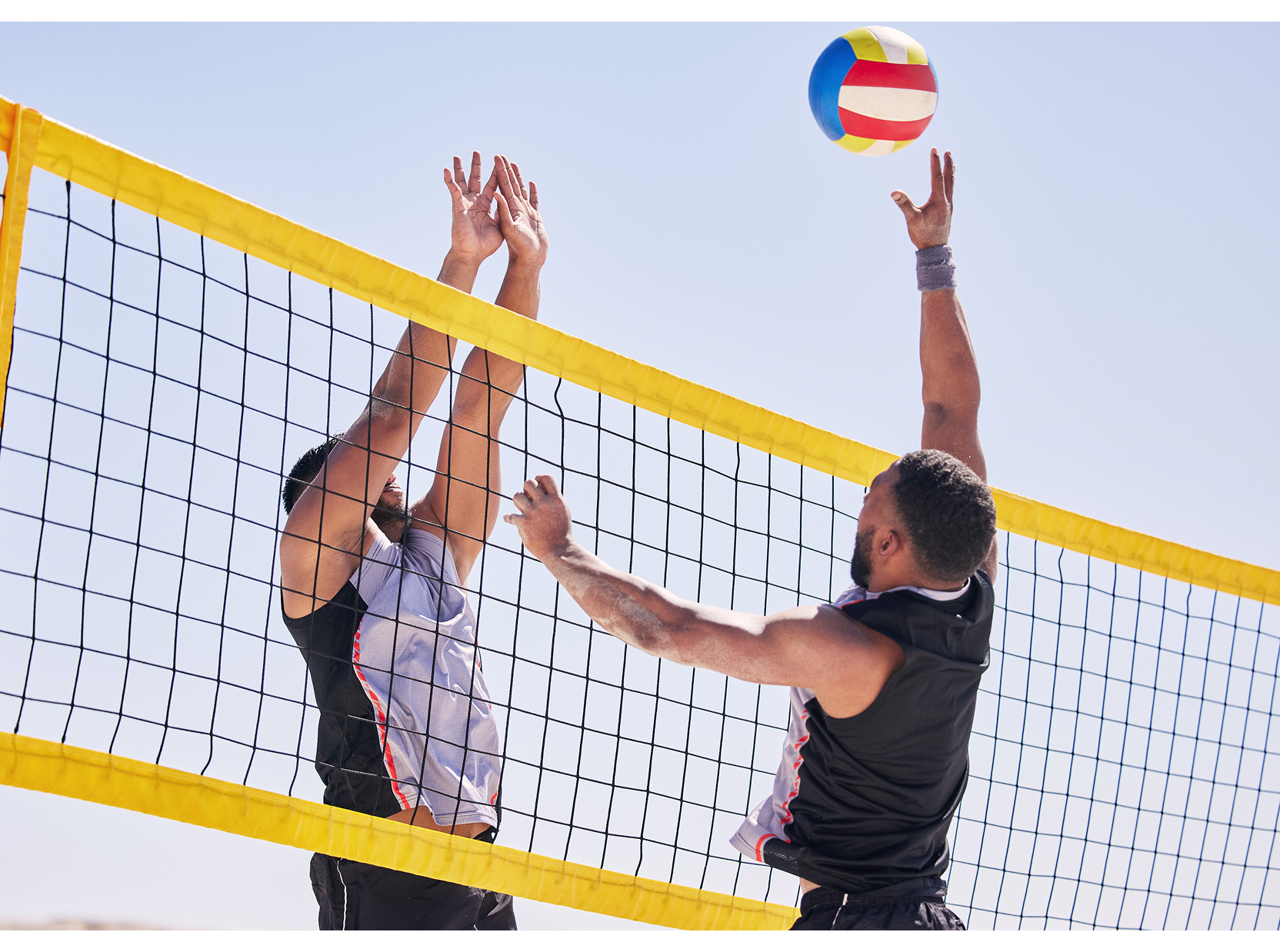
An athlete can combine both worlds. Their everyday life naturally produces content scenarios: training, recovery, travel, equipment preparation, competition, food, victory and setbacks. They can create an asset for the brand, publish it to their own audience, or do both.
The important point is not to assume that every athlete is automatically an influencer or professional creator. Some are excellent community builders. Others are compelling subjects in brand-produced content. Others need creative support to learn how to turn their sporting story into useful media.
Three collaboration models
1. Content only
The athlete creates assets for the brand's channels. This works when you need a regular supply of credible content featuring a real athlete or product user without buying distribution through their profile.
2. Content + distribution
The athlete creates the asset and publishes it through their own channels. The brand receives both content and access to the creator's community. Usage rights for further distribution should be clearly agreed.
3. Ambassador relationship
The collaboration develops into a longer story. The athlete appears regularly, becomes familiar with the product and gives the audience repeated exposure to the relationship. Over time this can expand into events, affiliate activity, Link Locker, product launches or recurring formats.
How do you decide what your brand needs?
If the biggest problem is a shortage of assets for social media and paid campaigns, start with content creators. If you need access to a particular community, evaluate influencers. If you want both, look for creators who can produce strong content and distribute it effectively.
If the objective is a lasting association between a person and the brand, think about ambassadorship from the beginning, even when the first collaboration is simply a test.
Do not buy a label. Buy the outcome you need.
“Influencer”, “UGC creator”, “ambassador” and “athlete” are useful shortcuts, but they are not a substitute for a clear brief. Define the outcome first, then select the person.
The Champions gives marketers a starting pool of more than 1,200 Polish athletes who can be considered for content production, distribution and longer-term partnerships.