
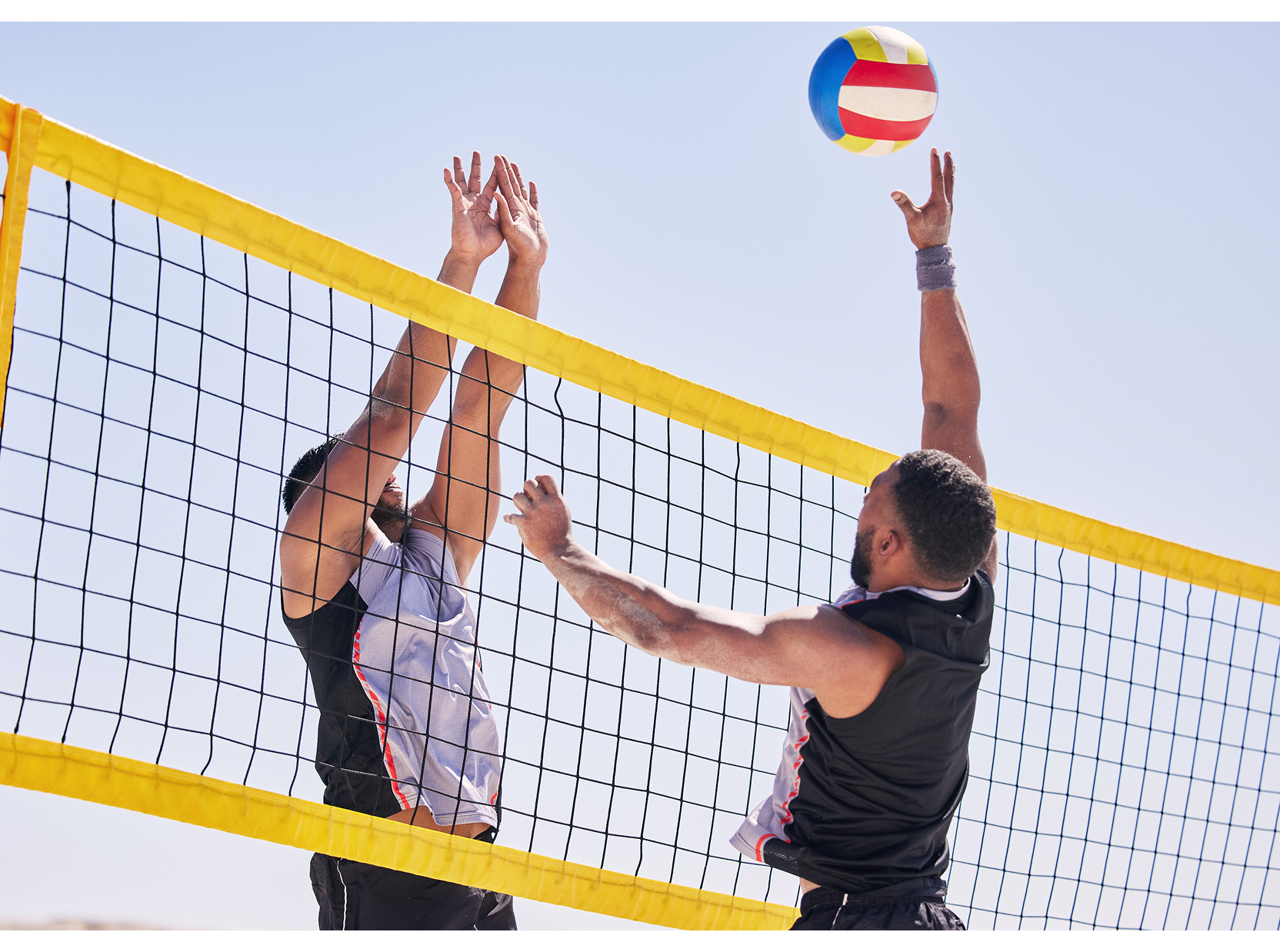
If you need authentic sports content, the person creating it does not have to call themselves a professional “UGC creator”. Real athletes already train, travel, test equipment and live inside the context brands often try to recreate artificially.
This does not make professional UGC creators unnecessary. They can be excellent at producing short-form advertising. But when a product naturally belongs in sport, health, recovery, technology, food, travel or an active lifestyle, there is another useful question to ask: should the creator be someone who genuinely lives in that world?
First, what do we mean by UGC?
UGC originally means user-generated content: content created by users. In marketing, however, “UGC creator” is also commonly used for someone paid to produce assets designed to feel like natural user content, even when those assets never appear on the creator's own profile.
That makes it useful to separate two things: the style of the content and the identity of the person creating it. A UGC-style video can be made by an athlete, customer, expert or professional creator.
Real context is difficult to manufacture in a studio
An athlete has access to environments a brand would otherwise need to stage: changing rooms, an early-morning training session, travel to competition, equipment preparation, recovery, race day and the ordinary hours between sessions.
When the product genuinely belongs in that world, the content gains context. A bottle is used during a real session. Headphones travel to competition. Skincare appears after the pool. A training app is used in an actual workout rather than on a treadmill arranged for an advert.
An athlete gives the brand more than a face
The most interesting assets do not work simply because the person looks athletic. They work because there is a story behind the person: preparation, ambition, performance, failure, injury, comeback, a local club or a route towards the national team.
Every Reel does not need to tell an entire career story. But knowing that the person on screen really is an athlete can give a simple piece of content context that cannot be added later in a script.
Not every athlete is automatically a good creator
This is where the romantic version of the idea ends. Authenticity cannot rescue poor framing, unclear delivery or an asset arriving three weeks late.
Athletes need to be selected for content ability or supported with a simple script, shot examples, lighting and audio guidance, feedback on the first take or editing by the brand.
A good agency's role is not simply to find the person. It is to create the conditions in which that person can produce a strong asset.
Athlete content can work across several channels
An asset can be produced only for the brand's channels. It can also be published by the athlete. It may be licensed for paid advertising, product pages, email or ecommerce. These are different uses and the appropriate content and likeness rights should be agreed accordingly.
If a brand wants to scale production, it helps to design the campaign as a content library from the beginning rather than as a collection of unrelated posts.
From one video to an ongoing partnership
Content is a useful way to start a relationship because both sides can test the fit. The brand sees how the athlete works; the athlete gets to know the product and team. If it works, the next stage might be recurring production, social distribution, affiliate activity, Link Locker or ambassadorship.
A partnership therefore does not have to begin with a major contract. It can begin with one strong piece of content.
Looking for UGC creators? Look at athletes too.
The Champions maps more than 1,200 Polish athletes. Not all of them are influencers and not all are professional UGC creators — which is part of the opportunity. Among them are people with genuine sporting context who can become excellent creators for the right brand.