One sports star or ten smaller athletes? This is not really a question about who is the “better influencer”. It is a question about campaign architecture. A major name concentrates attention. A group of smaller athlete creators gives a brand more stories, formats, communities and product contexts.
That is why sports micro-influencers are interesting not as a cheaper substitute for celebrities, but as a different creator model altogether.
What is a sports micro-influencer?
There is no universal follower threshold that automatically turns an athlete into a micro-influencer. In practice, audience size should be understood in the context of the sport. An audience that looks modest in football may be highly significant in a niche discipline.
We therefore look beyond account size to the athlete's position within their sport, community activity and the quality of their content.
Imagine a brand working with a group of athletes rather than producing one asset with one famous face. One athlete shows the product during training, another while travelling to competition, another during recovery, and another through a personal story.
The result is a library of different people, situations and creative approaches. The brand can test formats and messages while distributing content through several communities.
Five advantages of working with smaller athlete creators
- More content. More creators provide more assets and perspectives.
- More communities. The campaign is not dependent on one person's audience.
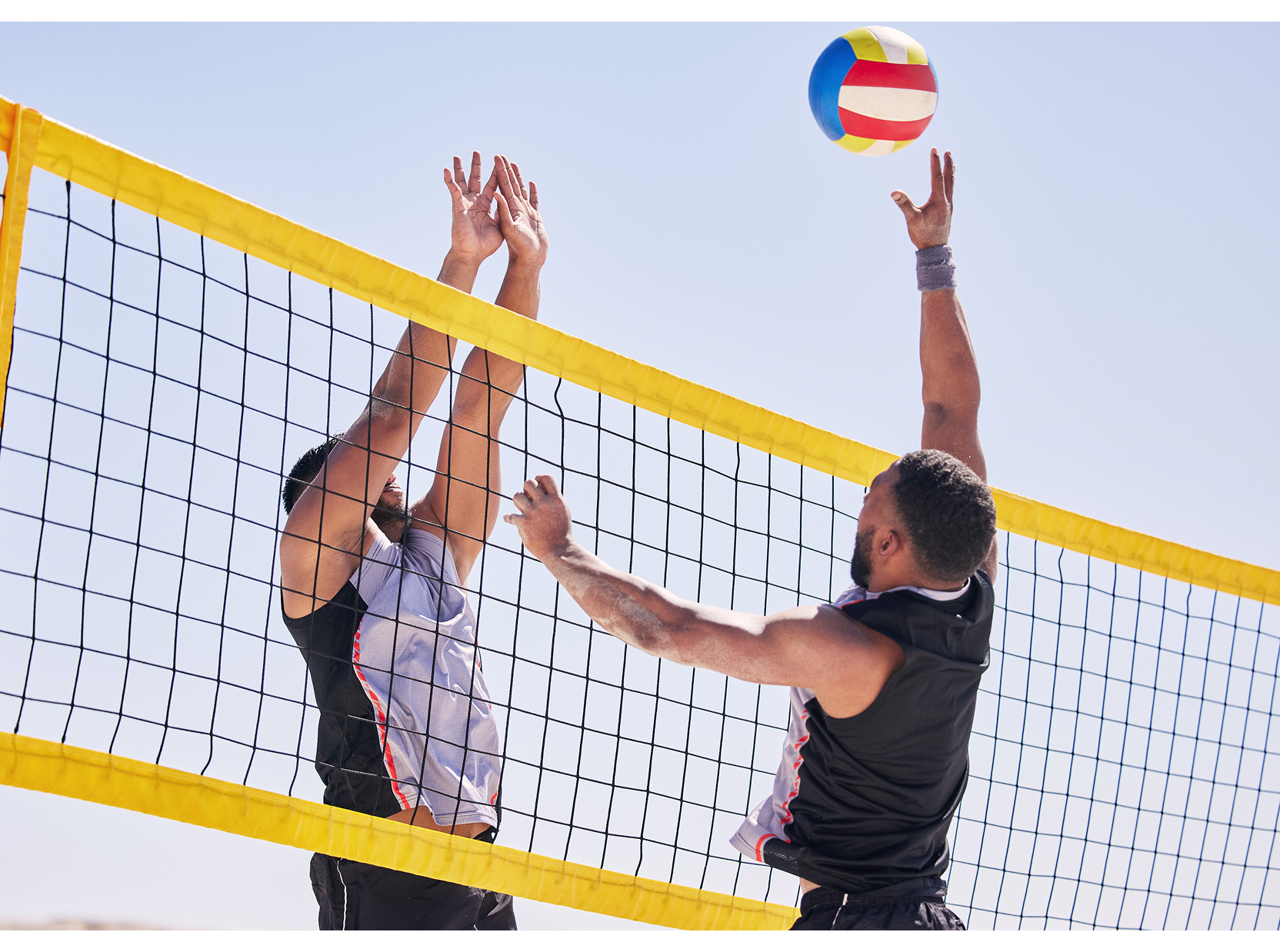
- Different sports and contexts. The same product can live naturally across running, volleyball, cycling or combat sports.
- Room to test. Brands can learn which people, stories and formats resonate.
- A route to ambassadors. Strong first collaborations can develop into longer relationships.
Smaller does not automatically mean more authentic
A small account is not a guarantee of quality or community. Micro-influencers still need proper evaluation: content, comments, previous partnerships, audience fit and possible category conflicts all matter.
An athlete should not be reduced to social metrics either. Someone may have an excellent sporting story while still learning how to create commercial content. In that case, a brand or agency can support the concept, script and production instead of expecting a ready-made influencer.
The swarm model: many athletes, one creative idea
A particularly useful model gives the campaign one central idea while allowing every athlete to interpret it in their own way. Instead of copying the same brief across a dozen profiles, the brand creates a creative framework that lets athletes remain recognisably themselves.
This creates consistency without producing a dozen identical ads. Each asset can work organically in the athlete's channel, while selected content can be used more broadly when the appropriate usage rights have been agreed.
Your best micro-influencer may become your next ambassador
The first campaign does not have to be the end of the relationship. It can be a test: who delivers reliably, who understands the brand, whose content works and who is genuinely good to collaborate with? The strongest relationships can then grow into an ambassador programme.
That is valuable for athletes too. Instead of chasing disconnected one-off posts, they can build more stable partnerships with brands that make sense for their careers.
Discover sports micro-influencers
The Champions maps more than 1,200 Polish athletes across different sports and career stages. Start with a relevant shortlist rather than the biggest follower number.